Coin collecting, often called numismatics, is a hobby that blends history, art, and the thrill of discovery. It’s a pursuit with a long lineage—sometimes referred to as the ‘Hobby of Kings’—dating back centuries. (warwickandwarwick.com) Today, it remains accessible to anyone, regardless of budget or experience, providing a tangible connection to past eras, cultures, and craftsmanship. (shopglobalcoin.com)
This guide is specifically designed for the absolute beginner looking to start a coin collection the right way. We will cover the essential terminology, establish practical first steps, discuss proper handling, and highlight common pitfalls to ensure your numismatic journey is both rewarding and financially prudent. This article is for informational purposes only and does not constitute investment advice.
Basics and Definitions
Before diving into acquisitions, a collector must master the fundamental language and components of coinage. This knowledge is the bedrock for assessing value, understanding rarity, and conducting effective research, which are all vital steps in the collecting process. (money.org)
Key Parts of a Coin
Every coin is a miniature piece of art and history with specific terminology for its anatomy:
- Obverse (Head): This is the side of the coin that typically features the main design, such as a portrait or bust, and often the year of minting. (madisontrust.com)
- Reverse (Tail): The opposite side, which commonly displays the coin’s face value along with a secondary image or design.
- Field: The flat, smooth area of the coin’s surface that forms the background for the design elements.
- Relief: Any part of the coin’s design that is raised above the flat field.
- Rim: The raised edge that encircles the diameter of both the obverse and reverse, serving to protect the coin’s design from wear.
- Mint Mark: A small letter or symbol that indicates the specific location (the mint) where the coin was produced.
Essential Coin Types and Terminology
The vast world of coins can be categorized by their production method and condition, which directly influences their collector value:
- Circulating Coins: Standard coins intended for use in everyday transactions. Collecting these, often by searching through pocket change, is a low-cost, popular starting point. (royalmint.com)
- Bullion Coins: Coins made from precious metals (like gold, silver, or platinum) whose value is primarily tied to their metal content, though they can also carry numismatic value.
- Commemorative Coins: Issued to honor a specific historical event, person, or anniversary. These are often produced in special finishes for collectors.
- Proof Coins: Coins specially manufactured for collectors, distinguished by a mirror-like field and a frosted or highly detailed relief. (grreserve.com) They represent the highest quality of minting.
- Brilliant Uncirculated (BU) Coins: Coins that have never been in circulation, retaining their original mint luster and pristine condition.
- Numismatic Value vs. Metal Content: Numismatic value is the coin’s worth based on its rarity, condition, demand, and historical significance, which can far exceed the melt value of its precious metal content. For example, a rare, low-mintage silver coin can sell for thousands, even though its silver content is minimal.
Detailed Explanation: Establishing Your Collection’s Foundation
A successful collection is built on a solid foundation of research, specialization, and disciplined acquisition. The first step for any beginner is to acquire knowledge, not necessarily coins, as the most successful collectors are those who take the time to learn as much as possible about numismatics.
The Power of Specialization
The world of coinage is immense, and trying to collect everything will quickly lead to being overwhelmed and an unfocused collection. (firstnationalbullion.com) Reputable numismatic experts strongly advise beginners to choose a specific area of focus or specialization. (one.bid) This focus acts as a boundary, allowing you to become truly knowledgeable about a smaller field in a shorter time frame.
- Collecting Themes: Focus can be based on a country (e.g., US coins), a period (e.g., Ancient Roman denarii), a denomination (e.g., pennies), or a theme (e.g., coins featuring ships or war history). (bullionexchanges.com)
- Budget and Focus: Your initial budget will influence your focus. Starting with circulating coins or common, lower-cost commemorative pieces is advisable, moving to more valuable items as expertise grows. (premiercoingalleries.com)
Understanding Coin Condition and Grading
A coin’s condition is arguably the single most important factor determining its numismatic value. (usgoldbureau.com) The industry standard for assessing condition is the **Sheldon Scale**, which grades coins on a numerical scale from 1 (Poor) to 70 (Perfect Mint State).
For coins over a certain value (some sources suggest over $100), professional authentication and grading are essential to protect value. The two foremost third-party grading services are the Numismatic Guaranty Corporation (NGC) and the Professional Coin Grading Service (PCGS). (jmbullion.com) These companies encapsulate the coin in a sealed holder (known as a ‘slab’) with a label stating its grade and authenticity, guaranteeing its condition and provenance.
Practical Step-by-Step Guide for New Collectors
Starting a coin collection is an exciting endeavor. By following a structured approach, you can transition smoothly from novice to informed numismatist.
- Choose Your Focus and Set Your Budget: Decide what truly excites you—history, precious metals, or artistry—and set a clear, modest financial limit (e.g., $200–$500 for initial acquisitions) to prevent overspending and keep your collection manageable.
- Acquire Core Research Materials: Your most valuable investment is knowledge. Purchase or consult comprehensive catalogs, such as a specialized coin dealer newsletter or the widely-recommended Red Book (A Guide Book of United States Coins, for US collectors), to establish a baseline for pricing and key dates.
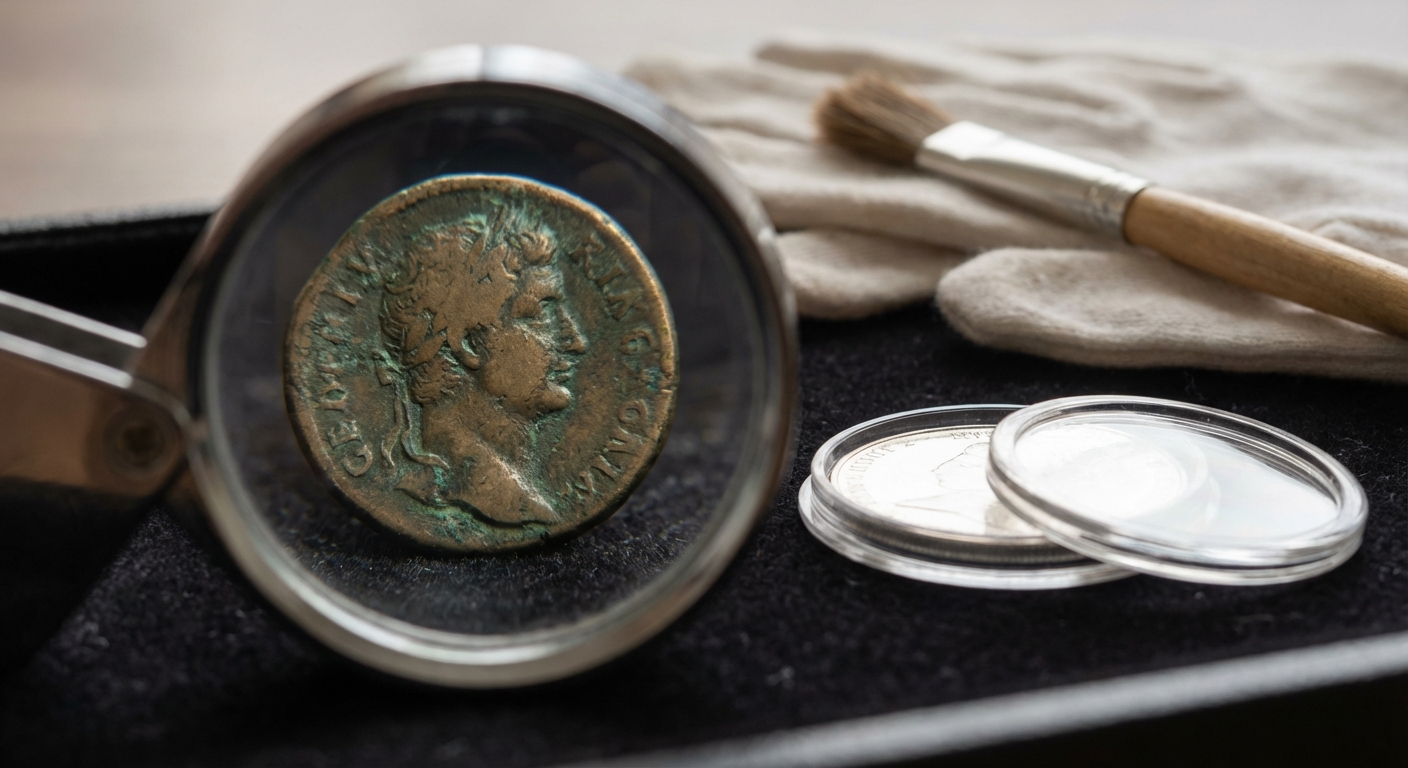
- Gather Essential Tools: Every collector needs a few basic tools to safely inspect and store coins. This includes a magnifying glass or jeweler’s loupe (to inspect fine details and mint marks), and a pair of soft cotton or nitrile gloves (for handling).
- Source Coins Safely: Avoid unverified private sales when beginning. Instead, focus on reputable sources:
- Reputable Coin Dealers: Establish a relationship with an authorized or well-reviewed local or online dealer.
- Coin Shows and Conventions: Excellent places to compare inventory, prices, and connect with experts.
- Professional Auctions: For higher-end pieces, use well-established auction houses, making sure to research fees and comparable past sales first.
- Implement Proper Storage: Use archival-quality storage solutions designed to prevent damage. For low-value coins, folders or albums are an option, but for more valuable pieces, acid-free envelopes, 2×2 coin holders, or certified slabs are crucial to protect the coin from environmental degradation and physical damage. (pacificpreciousmetals.com) Store your collection in a cool, dry environment with stable humidity (ideally 40–50%).
Common Mistakes and How to Avoid Them
Novice collectors often make errors that can permanently reduce a coin’s value. Awareness and discipline are the best defenses against these pitfalls. (t-shirtak7.com)
The Temptation to Clean Coins
This is arguably the most damaging mistake a new collector can make. Cleaning a coin—especially by polishing or scrubbing—will permanently remove its natural patina, or ‘skin,’ which is an important indicator of age and originality. The resulting hairline scratches or chemical alterations are often considered irreversible damage by numismatic professionals, which significantly diminishes the numismatic value, sometimes to zero. Never clean a coin yourself; if conservation is absolutely necessary, consult a professional numismatic conservator.
Improper Handling and Storage
Oils and acids from bare skin can leave invisible residues on a coin’s surface that will cause permanent tarnishing or degradation over time. Always handle coins by their edges using soft cotton or nitrile gloves. Additionally, never remove a valuable coin from its certified, third-party slab, as the slab guarantees the coin’s grade and condition; removing it will void this guarantee and instantly reduce its value.
Lack of Research and Buying Emotionally
Getting overwhelmed by the sheer volume of coins or buying on impulse based on a seller’s attractive label (e.g., ‘rare,’ ‘uncirculated’) is a common trap. Avoid this by consistently researching comparable sales, consulting price guides before every purchase, and sticking to your pre-defined collecting focus and budget. Knowledge acts as your most effective defense against overpaying.
Connection to Online Tools
The modern numismatist has access to powerful digital tools that streamline the hobby. Online resources like the NGC Coin Explorer and PCGS CoinFacts serve as extensive, searchable catalogs and databases, offering instant information on coin facts, values, population reports, and auction results. (libertystreet.com) These tools are invaluable for research and authentication.
Furthermore, digital inventory systems—available as desktop software or cloud-based platforms like CoinManage, MyCoinWorX, or Numista—allow collectors to efficiently manage their assets. (mycoinworx.com) These systems help track essential data such as purchase price, grade, current market value updates, and even allow for generating detailed reports for insurance or viewing. Using these tools ensures your collection remains organized, valued, and documented against potential loss.
Summary
Starting a coin collection is an adventure that requires passion, patience, and a commitment to continuous learning. By following a structured path, beginners can avoid the common pitfalls and build a meaningful collection.
The three key takeaways for any new collector are:
- Prioritize Education: Begin by specializing in one area, setting a budget, and dedicating time to research using trusted resources like numismatic books and certified grading service databases.
- Ensure Proper Preservation: Always handle coins by the edges with gloves, never clean them, and store valuable pieces in archival-quality holders in a stable environment.
- Source Wisely: Buy from reputable coin dealers, established coin shows, or professional auction houses to minimize the risk of acquiring counterfeits or overpaying.
Frequently Asked Questions (FAQ)
What is the very first step to starting a coin collection?
The first step is to choose a specific collecting focus, such as coins from a particular country, time period, or theme (like commemorative issues). This focus prevents you from getting overwhelmed and directs your research and budget effectively.
Should a beginner coin collector ever clean their coins?
No, a beginner should never clean their coins. Cleaning, even with mild soap, can permanently damage a coin’s surface and remove the natural patina, drastically reducing its numismatic value. If a coin requires conservation, it should only be performed by a professional numismatic expert.
What are the most trusted coin grading and authentication services?
The two most widely accepted and trusted third-party coin grading services in the industry are the Numismatic Guaranty Corporation (NGC) and the Professional Coin Grading Service (PCGS). Having a coin graded and encapsulated by either of these firms provides a guarantee of its authenticity and condition.
How do I know if a coin is valuable?
A coin’s value is determined by its rarity, condition (grade), historical significance, and current collector demand (numismatic value). You can gauge a coin’s approximate value by researching comparable sales in official price guides and using online tools like the NGC Coin Explorer or PCGS CoinFacts. (ngccoin.com)
