
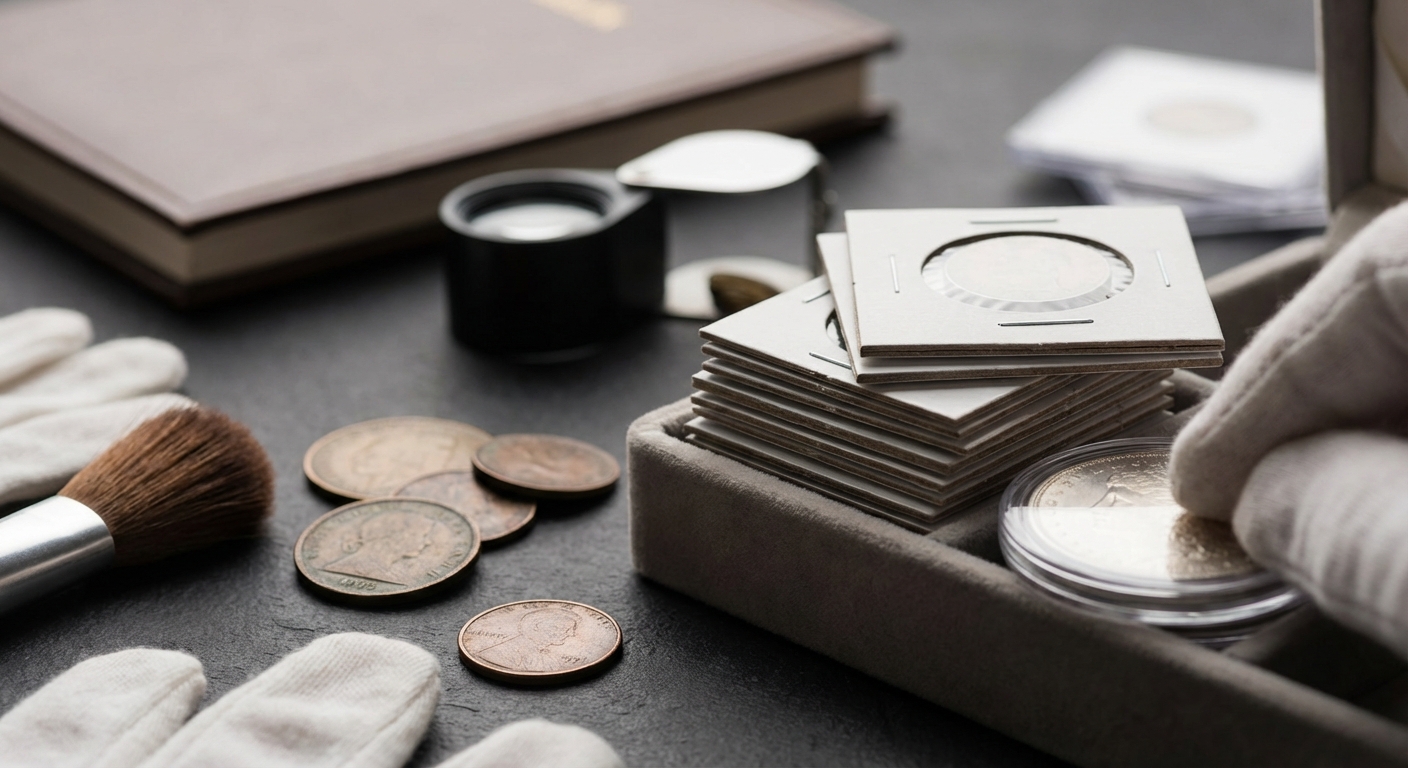
Proper coin storage is fundamental to preserving the value, condition, and historical significance of your numismatic collection. Whether you are a casual collector with a handful of coins or an experienced numismatist managing hundreds of pieces, the way you store your coins directly impacts their longevity and monetary value. This comprehensive guide covers the essential rules and best practices that every coin collector should know to protect their investment from damage, deterioration, and loss.
Properly storing your coin collection matters if you want to preserve your coin’s condition and cultural and historical appeal. Coins are vulnerable to damage from various factors such as humidity, air, and temperature changes. Additionally, mishandling your coins can lead to physical harm, such as scratches or dings. Using the appropriate storage materials and careful handling can help prevent these issues. (www.preservationequipment.com)
Understanding Coin Storage Basics
Coin storage involves two critical components: selecting the right physical containers and choosing an appropriate storage location. Storing a collection is a matter of dealing with two factors: using archival safe storage materials and the environmental factors which your collection is stored. (www.govmint.com) Both elements work together to protect your coins from environmental damage and physical deterioration.
The fundamental goal of proper storage is to minimize the exposure of coins to moisture, temperature fluctuations, light, air pollutants, and physical contact. Coins are highly sensitive to environmental factors like humidity, temperature, and human touch. (www.usmint.gov) Understanding these threats allows collectors to make informed decisions about their storage approach.
Environmental Conditions for Optimal Storage
The safest place to keep or store your coins is in a dry, temperature-controlled room or location. (www.americanstandardgold.com) Temperature stability is crucial for long-term preservation. Extreme temperature fluctuations can cause metals to expand and contract, which might result in cracking or physical wear over time. The best practice is to store your coins at a consistent temperature, ideally between 65°F and 70°F. (www.money.org)
Humidity control is equally important and represents one of the most significant threats to coin collections. Humidity is possibly the single largest threat to your coin collection because coins are made out of metals — particular metals like silver and copper. Both of these metals will experience chemical reactions when they’re exposed to water. It’s important to store your coins in a controlled environment with humidity levels below 50%. If your climate is naturally humid, a dehumidifier can be an excellent investment for your storage area, especially if you live in a particularly humid climate.
Store coins in opaque containers and avoid leaving them in sunlit areas. UV light can cause metal fatigue and fade paper packaging or certificates of authenticity. Additionally, you’ll want to find a spot away from water pipes, windows, and sunlight and least exposed to air pollutants.
Proper Handling and Personal Care
How you handle coins is as important as where you store them. Hold a coin by its edges between your thumb and forefinger over a soft towel or surface. Wear soft cotton gloves to protect the coin’s surface from fingerprints and the natural oils on your skin, which can be corrosive. If you don’t have a pair of gloves readily available, another recommendation is to pick up a coin by its edge to avoid touching its surface.
Avoid talking directly over coins as tiny droplets of saliva can also create spots on a coin. Just like fingerprints, these marks are difficult to remove. Every precaution you take during handling directly contributes to preserving your coin’s grade and resale value.
Choosing Appropriate Storage Materials
The materials you use to house your coins are critical. Use acid-free cardboard and plastic holders free from polyvinyl chloride (PVC). Acid and PVC can ruin a coin’s surface. PVC is particularly problematic because PVC eventually coats a coin with sticky green slime.
Multiple storage options are available depending on your collection size and value. Coin capsules are perfect for storing individual coins in a protective plastic case. They’re great for keeping your coins safe from scratches, drops, dirt, and other contaminants. Coin capsules also allow you to view both sides of your coin through a transparent plastic. For high-value coins, use hard plastic holders. Professional coin grading services use sealed holders called slabs to protect authenticated and graded coins.
Coin albums with acid-free pages offer an organized way to store and display multiple coins. Ensure pages are made from materials like Mylar or PET (polyethylene terephthalate) that are free from PVC and other harmful chemicals. These albums allow for safe handling and viewing, often featuring multiple pockets per page to accommodate various coin sizes.
Pacific silver cloth is an ideal material to prevent silver coins from tarnishing. For bulk storage, coin tubes are cylindrical containers designed to hold multiple coins of a specific denomination or size for efficient bulk storage. Made from PVC-free plastics, they protect coins from physical damage, dust, and airborne pollutants.
Step-by-Step Storage Process
Step 1: Assess Your Collection Begin by determining the value and composition of your coins. High-value coins require premium storage solutions like slabs or airtight capsules, while lower-value coins can be stored in basic flips or albums. Label holders with coin type, year, mint mark, and condition. Keep a digital or physical inventory — you’ll thank yourself later.
Step 2: Select Appropriate Holders Choose holders based on your coins’ material composition and value. These holders protect your coins from environmental pollutants, moisture, and physical damage. When using these holders, ensure they are made from inert materials like Mylar, which does not react with the metal in coins.
Step 3: Store with Moisture Control If storing in a safe or sealed container, include silica gel packs in your storage containers or safe deposit boxes as a great way to maintain low humidity. These packs absorb moisture and prevent oxidation, especially in airtight containers. If your storage area is not that humid, use silica gel. It well suited for lower moisture area over a longer period of time, about six months. For high humidity areas, use a clay desiccant. Although it will not last as long as silica gel (about three months), clay is more effective at removing moisture when the humidity is higher.
Step 4: Choose a Secure Location When storing your coin collection in your home, you must keep them in a room that does not have extreme temperatures or humidity. The bedroom or a den is usually the safest place because these areas tend to have a comfortable temperature and humidity level. Make sure you keep your coins in a room far enough away from the kitchen and bathroom so that heat, moisture, and cooking oils don’t affect the coins.
Step 5: Organize and Document Label each tube with the type and quantity of coins. This labeling will help you quickly identify and access specific coins when needed. You can also categorize your tubes by year, mint, or coin type for more detailed organization.
Common Storage Mistakes to Avoid
Mistake 1: Using PVC Holders Many inexpensive coin flips and folders contain PVC plastic. Polyvinyl chloride (PVC) is commonly found in cheaper coin flips or storage sheets but harms coins. Over time, PVC emits a gas that reacts with metal, causing green or yellowish corrosion, commonly known as “PVC damage.” Always invest in PVC-free alternatives.
Mistake 2: Attempting to Clean Coins The advice for amateur collectors is not to clean coins. The action of cleaning can actually devalue the coin due to damage caused as a result (scratches, coatings applied etc). While you may be tempted to polish your coins to make them look shiny and new, proceed with caution. Polishing and/or cleaning coins can reduce their value. Older coins that show deep age coloration are more desirable than coins whose surfaces have been stripped away by improper polishing or cleaning.
Mistake 3: Storing in Poor Locations You might think storing them in your attic or basement is the safest place to store your coins, but this is where they are often the most vulnerable to temperature changes and humidity. Wood cabinets have coatings and adhesives that contain chemicals that can damage your coins. You should avoid keeping your coins in wooden cabinets or bookshelves.
Mistake 4: Neglecting to Control Humidity Many collectors underestimate the importance of moisture control. Safe deposit boxes are designed to be fire-resistant, meaning that they’re built from a material that allows water vapor inside the box. This quality offers a good way to protect against fire, but it means that humidity levels inside the box might be an issue. You can correct it by storing a silica gel packet inside the box to absorb water vapor, but you’ll need to remember to change it out several times a year.
Storage Location Options
For valuable collections, multiple secure storage options are available. Look for a fireproof and waterproof safe that offers an airtight seal. For higher-value collections or investors with substantial amounts of gold or silver coins, a safe deposit box at a bank offers higher security. However, remember that humidity in safe deposit boxes may still pose a risk, so placing coins in airtight containers with silica gel packs is recommended.
For collectors concerned about long-term security, some coin investors and collectors opt for third-party storage solutions such as vaulting services from precious metals dealers. These facilities are highly secure and climate-controlled, making them ideal for long-term storage. Coin collections can become quite heavy and large boxes can become difficult and awkward to lift. Our coin collection box will hold up to around 250 coins and is of a size that can easily be placed into a normal sized safe. It is better to bulk store coins in multiple boxes than placing into a single box.
Online Tools and Digital Organization
Modern collectors benefit from digital inventory management tools. Several online platforms allow collectors to catalog their coins, track acquisitions, and monitor values. Using spreadsheets or dedicated coin collection apps helps you maintain a detailed record of your holdings, including purchase dates, prices, grades, and storage locations. This digital backup proves invaluable for insurance purposes and for planning your collection’s future.
Additionally, many online numismatic communities offer resources for researching coin values, authenticity, and proper handling techniques. Joining these communities can enhance your knowledge and connect you with experienced collectors who can provide guidance on storage best practices specific to your collection’s composition.
Conclusion
Protecting your coin collection requires attention to both storage materials and environmental conditions. The foundational rules—maintaining stable temperature and low humidity, using acid-free and PVC-free holders, handling coins with proper protection, and storing your collection in a secure, appropriate location—form the framework of successful coin preservation. Storing coins safely is essential for preserving their value, especially for collectors and investors who deal with precious metals or rare numismatic pieces. Improper storage can lead to damage, such as tarnishing, corrosion, or physical wear, which can significantly diminish a coin’s value.
By implementing these practices, you ensure that your numismatic treasures remain in pristine condition for decades to come. Whether your collection is for personal enjoyment, investment, or legacy planning, proper storage decisions made today will protect and preserve your coins’ aesthetic appeal and market value for future generations.
Frequently Asked Questions (FAQ)
What is the ideal temperature for storing coins?
The best practice is to store your coins at a consistent temperature, ideally between 65°F and 70°F. Avoid significant temperature fluctuations, as these can cause metals to expand and contract, leading to structural damage over time.
How much humidity is too much for coin storage?
It’s important to store your coins in a controlled environment with humidity levels below 50%. For optimal preservation, aim for humidity levels between 30% and 50%. If your area is naturally humid, invest in a dehumidifier or use silica gel packets regularly.
Can I clean my coins to improve their appearance?
No. Cleaning coins typically reduces their value. It is always best to consult a specialist conservator before commencing any work. Professional conservation differs from amateur cleaning, and any work should be done only by experienced conservators.
Why should I avoid PVC holders?
Acid and PVC can ruin a coin’s surface. PVC eventually coats a coin with sticky green slime. Always choose acid-free, PVC-free holders made from inert materials like Mylar instead.
Is a home safe better than a bank safe deposit box?
Both options have advantages. Home safes offer convenience and immediate access, while bank safe deposit boxes provide superior theft protection. A safe deposit box at a bank offers higher security. It ensures that your collection is protected from theft or natural disasters like floods or fires. However, remember that humidity in safe deposit boxes may still pose a risk, so placing coins in airtight containers with silica gel packs is recommended.
