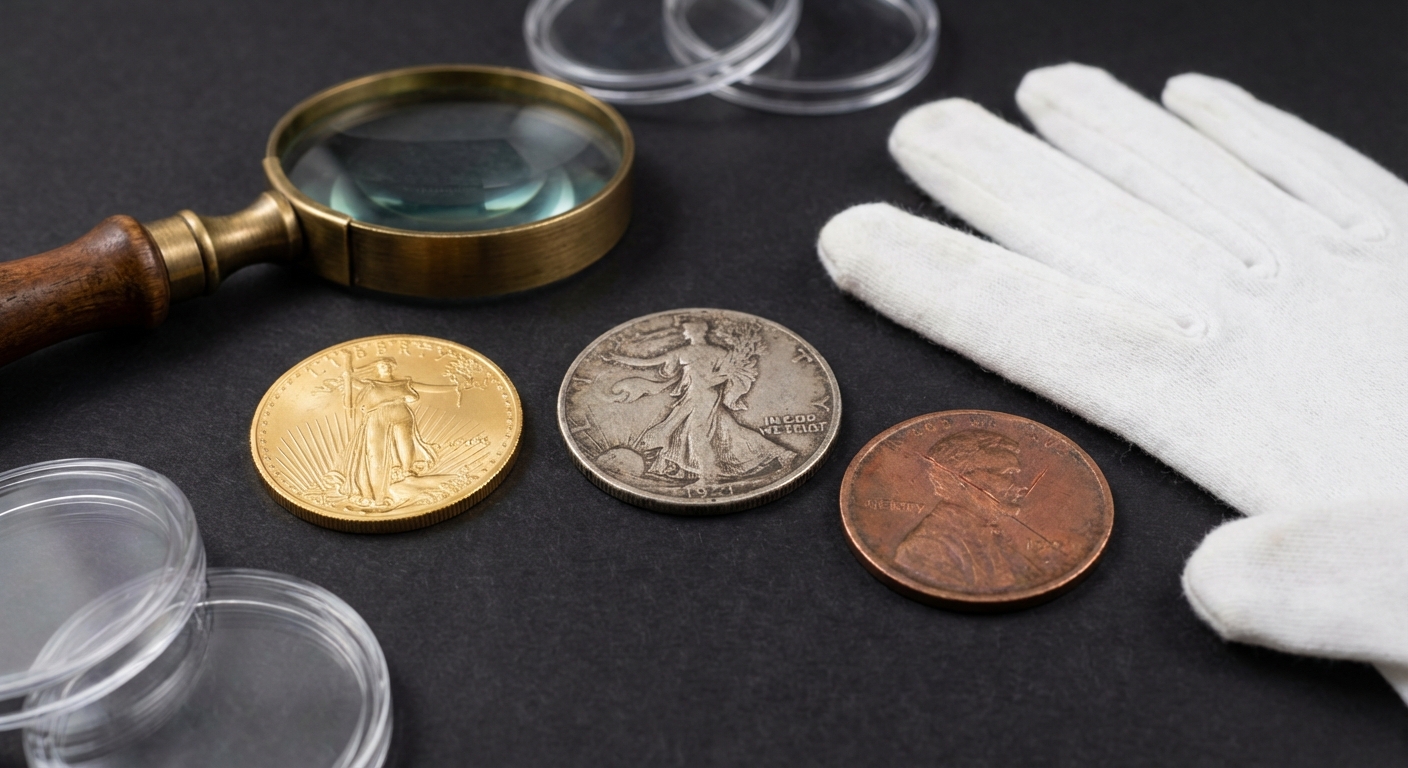
From ancient Greek drachmae to modern bullion issues, the story of coins is, above all, the story of metal. Silver, gold and copper – the classic “coinage metals” – have shaped economies, artwork and collecting culture for more than two millennia. Understanding these metals is essential if you want to evaluate, store and enjoy a numismatic collection seriously.
This article explains why silver, gold and copper were chosen for coinage, how their physical and chemical properties affect wear and eye appeal, and what that means for coin grading, preservation and long‑term value. It is aimed at coin collectors, numismatists and beginners who want a practical yet scientifically grounded overview.
Whether you collect ancient bronzes, classic silver crowns or modern gold bullion coins, a basic grasp of mint metals will help you read catalog descriptions, interpret patina and toning correctly, and avoid costly storage mistakes.
Basics and Definitions
Numismatists typically define a coin as a piece of metal issued under authority, with a design and denomination, intended to circulate as money. Metal is therefore a primary attribute of every coin, alongside weight, diameter and design. The American Numismatic Society notes that, up to modern times, coins were almost always made of metal, selected to be abundant enough for circulation yet scarce enough to hold value in their own right. (numismatics.org)
In numismatic literature, traditional Latin abbreviations are often used to describe coin metals: AV (aurum) for gold, AR (argentum) for silver and AE (aes) for copper and its alloys. These shorthand labels identify the dominant metal without claiming a precise chemical analysis, which until recently was difficult to obtain. (numismatics.org)
Silver, gold and copper belong to Group 11 of the periodic table, commonly called the coinage metals. They share high electrical conductivity, good malleability and an attractive metallic luster, which made them ideal for striking detailed designs and withstanding everyday handling. (en.wikipedia.org)
Numismatics also uses several alloy terms that combine these metals with each other or with base metals:
- Billon – an alloy of silver (or sometimes gold) with a majority of base metal, usually copper, historically used when precious metal supplies were limited or coinage was debased. (en.wikipedia.org)
- Bronze – an alloy of copper with tin and sometimes zinc.
- Brass – an alloy of copper and zinc, commonly used in modern tokens and some circulating coins.
- Bullion – highly refined precious metal (typically gold or silver) used as an investment or for striking bullion coins; purity around .999 is standard for many modern issues. (en.wikipedia.org)
Detailed Explanation
Why silver, gold and copper became coin metals
Historically, a coinage metal had to satisfy several conditions. It needed sufficient intrinsic value, relative scarcity, durability, the ability to be melted and refined, and the ability to carry precise designs. Historical surveys of coinage show that different regions favored different metals: copper in early China, silver in much of India, and silver or electrum (a natural gold–silver alloy) in the ancient western world. (numismatics.org)
Silver and gold naturally occur as native metals or in ores that were smelted even in antiquity, while copper ores are common and relatively easy to process. Their combined properties made them far more practical for standardized money than organic materials or softer metals such as lead.
Physical and chemical properties that matter to collectors
Gold is the least reactive and most noble of the three. It does not tarnish under normal atmospheric conditions and remains bright for centuries if not abraded. Its softness, however, makes high‑relief designs vulnerable to wear and bagmarks. To improve durability, many circulating gold coins historically used 90% gold and 10% copper or silver rather than pure gold. Modern bullion series, such as Mexican Libertad gold coins, typically use .999 fine gold for investment pieces. (en.wikipedia.org)
Silver is harder and more reactive than gold. It tarnishes through reaction with sulfur compounds in the air, forming silver sulfide. Conservation guides emphasize that the colorful “toning” seen on older silver coins is essentially a controlled corrosion layer whose thickness determines visible colors from golden to deep blue and black. (canada.ca) This toning can be aesthetically desirable when even and undisturbed.
Copper and its alloys (bronze, brass) are more reactive still. Copper easily oxidizes and, in the presence of moisture and chlorides, can develop green corrosion products often referred to as verdigris. (queenslandmint.com) While a stable, even brown patina is valued on many ancient and early modern copper coins, active green spots are a red flag for damage.
Alloys and debasement: billon and experimental mixtures
As governments struggled with limited precious metal supplies, they often reduced the silver or gold content of coins, creating alloys known as billon when base metal became dominant. Ancient Greek cities and later the Roman Empire issued billon coins with diminishing silver content as part of a long process of debasement in the third century CE. (en.wikipedia.org) To collectors, such changes provide important clues about economic history and help date issues within reigns.
In the nineteenth century, mints also experimented with ternary alloys combining silver, gold and copper. One notable example is goloid, an alloy patented in 1877 that consisted of roughly 3.6% gold, 87% silver and 9% copper. It was tested for U.S. pattern dollars but ultimately rejected because it could not be visually distinguished from ordinary silver–copper alloys, raising counterfeiting concerns. (en.wikipedia.org)
Impact of metal on grading and eye appeal
The base metal strongly influences how a coin wears and how grading services evaluate it. Soft gold coins can show high‑point rub and contact marks at relatively high numeric grades, whereas hard copper‑nickel coins might retain sharp details but suffer from unattractive spotting. Silver coins develop cartwheel luster and toning patterns specific to their alloy and storage history.
Because silver and copper react more readily with environmental contaminants, their surfaces are more sensitive to mishandling, cleaning and poor storage. Conservation institutes warn that even minor scratches or hairlines can significantly reduce numismatic value, particularly on proof or mint‑state coins. (canada.ca)
Metals and storage risks
Gold’s chemical stability makes it comparatively easy to store, though its softness still demands physical protection from scratches and dings. In contrast, silver and copper require careful control of humidity, pollutants and storage materials to prevent tarnish and corrosion. Professional guidance from conservation agencies and specialist dealers consistently recommends low humidity, stable temperatures and inert storage holders to manage these risks. (canada.ca)
Practical Step-by-Step Guide
Step 1: Identify the dominant metal in each coin
Begin by learning the basic metal of each coin type in your collection. Catalogs and major auction houses routinely list coins as AV, AR or AE with additional notes on alloy when known. (numismatics.org) Modern bullion descriptions will specify whether a coin is .900, .9167 or .999 fine gold or silver. (en.wikipedia.org) Make a simple spreadsheet noting metal, fineness, diameter and weight for each series.
This inventory step is critical because silver and copper pieces demand more environmental control than gold. It also helps you detect suspicious pieces that do not match expected metal or weight.
Step 2: Sort coins by sensitivity and value
Next, group coins into categories based on both metal and numismatic value:
- High‑grade gold, key‑date silver and rare copper issues
- Mid‑grade collectible material
- Bulk circulation and low‑grade duplicates
Give your most sensitive and valuable silver and copper coins the best storage conditions, such as individual inert capsules or holders, while more robust or low‑value pieces can be kept in albums or tubes.
Step 3: Choose proper holders for each metal
Conservation guidelines recommend storing coins individually in inert holders made from archival plastics like polyethylene, polypropylene, polyester (Mylar) or rigid acrylic. (canada.ca) Avoid PVC‑containing plastics, which can release chlorinated acids that attack copper alloys and silver–copper coins, leaving a sticky green residue. (canada.ca)
For silver and copper, hard plastic capsules or high‑quality flips provide an effective barrier against pollutants and reduce the need for handling. (coinexchangeny.com) Gold bullion pieces are often sold in capsules or sealed assay cards; if opened, they should immediately be transferred to comparable inert holders.
Step 4: Control environment – humidity, temperature and air quality
Silver and copper tarnish and corrode much faster in damp or fluctuating environments. Conservation notes and specialist guides advise keeping relative humidity as low and stable as practical, commonly in the 30–50% range, and avoiding basements, attics and other high‑humidity locations. (canada.ca)
Use silica gel packets or dehumidifiers inside storage cabinets or boxes. Replace or recharge them periodically, and avoid storing coins near fresh paint, cleaning chemicals or other sources of sulfur and chlorine that accelerate tarnish, especially on silver coins. (mycoincollection.co.uk)
Step 5: Handle by the edges and avoid cleaning
All coinage metals are vulnerable to fingerprints and micro‑scratches. Conservation institutes stress handling coins by the edges, ideally wearing cotton or nitrile gloves for high‑grade silver and gold. (canada.ca) Oils and salts from skin can etch into silver and copper surfaces, leaving permanent prints that lower grade and eye appeal. (queenslandmint.com)
Most numismatists strongly advise against cleaning coins, especially with abrasives or chemical dips. Cleaning often removes original patina or leaves hairlines that are obvious under magnification and will be penalized by grading services. Professional references recommend limiting interventions to gentle rinsing when needed and consulting a conservator for any valuable piece with active corrosion. (canada.ca)
Step 6: Document metal‑related features in your records
As you photograph and catalog your collection, record metal‑related attributes such as color, toning pattern, presence of luster breaks and any corrosion spots. High‑resolution images of both obverse and reverse are invaluable for monitoring changes over time and for insurance. (canada.ca)
For copper, note whether patina is stable and even or if any active green areas appear. For silver, track the progression of toning; attractive, naturally developed toning can enhance desirability, while patchy or splotchy toning may indicate past improper storage.
Common Mistakes and How to Avoid Them
Many issues encountered by coin collectors stem directly from misunderstanding how silver, gold and copper behave. Below are frequent errors and practical ways to avoid them.
Storing silver and copper in PVC flips
One of the most damaging mistakes is keeping coins in soft, flexible plastic flips made with PVC. Over time, plasticizers and chlorinated compounds leach out, especially in warm or humid environments, attacking copper‑based coins and silver with high copper content. Conservation authorities describe the resulting sticky green film as a particularly corrosive form of damage. (canada.ca) The solution is simple: migrate coins to PVC‑free flips, capsules or holders made of archival plastics.
Cleaning coins to “improve” their appearance
New collectors often attempt to polish tarnished silver or dark copper to a bright shine, not realizing they are removing metal and destroying original surfaces. Specialist dealers and care guides emphasize that cleaning typically reduces a coin’s numismatic value by erasing patina and creating hairlines, even if the coin looks brighter at first glance. (bigboysgoldandsilver.com) Instead, learn to appreciate natural toning and only address active corrosion under professional guidance.
Ignoring humidity for base‑metal collections
Because gold does not tarnish easily, some collectors underestimate the importance of humidity control for copper and low‑grade silver. Conservation and dealer guides consistently cite excess moisture as a key driver of oxidation and corrosion, particularly for copper coins. (bigboysgoldandsilver.com) Even if you collect mainly inexpensive bronzes, a small investment in silica gel and a stable storage location will prevent cumulative damage over decades.
Handling coins with bare fingers
Fingerprints on silver and copper coins can become permanently etched due to the reaction of skin oils, acids and salts with the metal surface. (queenslandmint.com) Failing to wear gloves or at least hold coins strictly by the edges leads to unnecessary downgrades at certification and visible marks under magnification. Make it a habit to prepare a clean, soft workspace and to use gloves whenever handling valuable pieces.
Overlooking the metal when buying
Some buyers focus solely on date and mintmark, neglecting metal composition and surface originality. For example, a heavily cleaned silver coin or a copper piece with active corrosion may be fundamentally compromised, regardless of its catalog rarity. Before purchasing, study how pristine surfaces look for each metal, review auction archives and favor coins with original, problem‑free patina.
If financial value is a concern, remember that this article is for informational purposes only and does not constitute investment advice.
Connection to Online Tools
Modern collectors can leverage a range of online tools to manage metal‑specific risks and better understand their silver, gold and copper coins. Inventory platforms allow you to record the metal, fineness, purchase price and storage location of each piece, often with space for high‑resolution photographs. Some systems support filtering by metal type, which is useful when reviewing which coins may need tighter environmental control.
Other web‑based applications help generate coin labels or information cards that summarize key metal attributes, including alloy, weight, edge type and known storage sensitivities. Combined with digital image galleries, these tools make it easy to monitor changes in toning on silver or patina on copper without frequent physical handling. Used thoughtfully, they complement good physical storage practices instead of replacing them.
Summary
Silver, gold and copper earned their status as classic mint metals because they balance intrinsic value, durability and workability. Gold offers unmatched chemical stability but is soft; silver and copper are harder but more reactive, making them more vulnerable to environmental damage. Numismatists use traditional abbreviations and alloy terms like AV, AR, AE and billon to describe these materials in catalog listings. (numismatics.org)
For the practical collector, understanding metal behavior translates into better storage and handling decisions. Inert holders, controlled humidity, clean workspaces and a strict no‑cleaning policy for valuable pieces will preserve surfaces and protect value, especially for silver and copper coins that tarnish or corrode readily. (canada.ca) Combining this knowledge with careful documentation and the use of online inventory tools will help you manage your numismatic collection more confidently and systematically over the long term.
Frequently Asked Questions (FAQ)
Why were silver, gold and copper chosen for coins?
They combine relative scarcity and intrinsic value with excellent durability, malleability and attractive luster. Historical numismatic studies show that different cultures favored these metals because they could be refined, standardized and struck with detailed designs while retaining value in their own right. (numismatics.org)
Does silver coin toning increase or decrease value?
It depends on the nature of the toning. Conservation sources describe toning as a silver sulfide layer that can be stable and aesthetically pleasing or uneven and unattractive. (canada.ca) Even, naturally developed toning often enhances desirability, while patchy or obviously accelerated toning usually hurts value. Cleaning away original toning almost always reduces numismatic appeal.
How should I store copper coins to prevent corrosion?
Store copper coins individually in inert holders (PVC‑free flips or capsules) in a cool, dry environment with stable humidity, ideally around 30–50%. (canada.ca) Use silica gel packets and avoid basements, attics and locations with chemicals or fumes. Handle coins with gloves and never polish them, as polishing removes valuable patina and can expose fresh metal that corrodes more readily. (queenslandmint.com)
Is it safe to clean gold coins?
Even though gold is chemically resistant, cleaning can still scratch soft surfaces and reduce eye appeal. Dealer and conservation guides generally discourage cleaning any collectible gold coin, especially with abrasives or dips, because grading services can detect altered surfaces. (mycoincollection.co.uk) Gentle rinsing may be acceptable in some cases, but significant interventions should be left to professionals.
What is the difference between bullion coins and circulation coins?
Bullion coins are struck primarily for investment from highly refined precious metal, often .999 fine silver or gold, and their value is closely tied to metal content. (en.wikipedia.org) Circulation coins are minted for everyday transactions, usually from harder alloys such as copper‑nickel or bronze, and their face value is not necessarily related to metal value. Some bullion issues also have collectible, numismatic value when produced in limited mintages or special finishes.
